
20 years of Hannah Montana
Happy 20th anniversary Hannah Montana

20 years ago, I became a fan of show where an ordinary teenage girl living a double life as a blonde global superstar. Decades later, Hannah Montana remains one of the most influential teen shows of its era shaping pop culture, launching careers, and redefining what it meant to grow up in the spotlight.
At the center of it all was Miley Stewart, played by a then-unknown Miley Cyrus, daughter of country star Billy Ray Cyrus who also starred on the show. By day, she navigated school, friendships, and family life in Malibu. By night, she transformed into Hannah Montana complete with a blonde wig, sold-out concerts, and adoring fans. The show’s hook wasn’t just the dual identity; it was the tension between authenticity and performance, something that resonated deeply with its young audience.
How It All Started
After the success of The Cheetah Girls, Lizzie McGuire, That's So Raven, and Even Stevens, the concept idea came from an episode of That's So Raven where Cory (played Kyle Massey) won a role for tv show contest. At the studio, Ally Parker (played by Alyson Stoner) the main star of the tv show who wears a blonde wig and 1950s era attire, she wanted to live a normal life, be a normal teenager, and go to a public school. The episode was titled "Goin' Hollywood" written by Dennis Rinsler & Marc Warren. It gave Michael Poryes, Rich Correll, and Barry O'Brien an idea about a sitcom of an ordinary teenager during the day and pop singer at night. Singer Jojo (Not Siwa), Daniella Monet, Emily Osment, and Taylor Momsen audition for the lead role for the show. Unfortunately, they didn't nab the role, JoJo had a best-selling album, Daniella Monet went to Nickelodeon starring in Victorious, and Momsen went on to star in Gossip Girl and didn't regret not getting the role in Hannah Montana. Osment would star in the show but not as the lead role just as Lily Truscott/"Lola" in the show. That was until then eleven-year-old Miley Cyrus audition for the role.
At first, producers and casting director didn't think she was perfect, they all assumed she was "too young" for the role until she auditioned multiple times. After multiple attempts, she got a phone call that got the role.
Hannah Montana premiered on March 24, 2006, two months after High School Musical.
What made Hannah Montana stand out in the crowded world of kids’ television was its self-awareness. It balanced slapstick humor with genuine emotional stakes episodes tackled friendship betrayals, jealousy, and the pressures of fame without losing its lighthearted tone. The show’s signature line, “You get the best of both worlds,” became more than a catchy lyric; it became a generational mantra.
The series also marked a turning point for Disney Channel. It wasn’t just a show it was a multimedia empire. Soundtracks topped charts, concerts sold out nationwide, and merchandise filled store shelves.
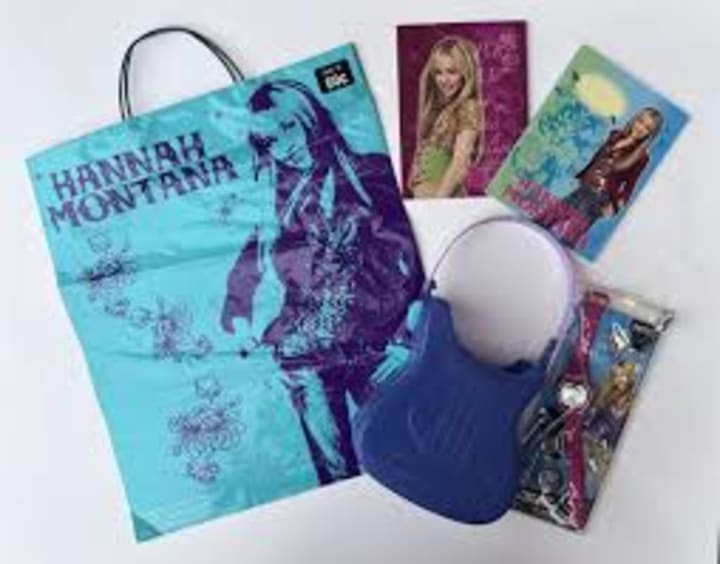
The Hannah Montana & Miley Cyrus: Best of Both Worlds Concert tour in 2007 was so popular it was turned into a theatrical film in 2008, signaling the franchise’s massive reach.

Plus, A feature film that takes place at her hometown Tennessee.
Behind the scenes, the show launched Miley Cyrus into global superstardom, but not without complications. As the line between Miley and Hannah blurred, so did public expectations. The pressures of maintaining a squeaky-clean image while growing up in real time became a defining narrative of Cyrus’s early career. In many ways, the show foreshadowed the very identity struggles it depicted. For instances, Cyrus had some graphic images leaked, her 2008 controversial Vanity Fair cover shoot which Miley had to apologized until years later she took it back, and her leaked salvia bong video.

Critically, Hannah Montana helped pave the way for future Disney stars to cross over into mainstream music and film. Its formula television plus music plus personal branding became a blueprint followed by many who came after. Yet, 20 years on, the show’s legacy isn’t just measured in ratings or record sales. It lives on through nostalgia. For millions who grew up in the late 2000s, Hannah Montana represents a specific kind of childhood one shaped by after-school TV, flip phones, and the early days of internet fandom. Rewatching the series today on Disney plus, its charm still holds. The jokes may be corny, the fashion unmistakably mid-2000s, but its core message feels surprisingly timeless: figuring out who you are is messy, and sometimes, you don’t have to choose just one version of yourself. Hannah Montana isn’t just a show people remember it’s a cultural time capsule. And for those who once sang along in their bedrooms, it’s proof that the “best of both worlds” might just be growing up and still holding onto a piece of who you were.
God bless you Miley!!!! Thank you for the humor and music!!!
About the Creator
Keep reading
More stories from Gladys W. Muturi and writers in Beat and other communities.
Latto is pregnant and everybody is confused
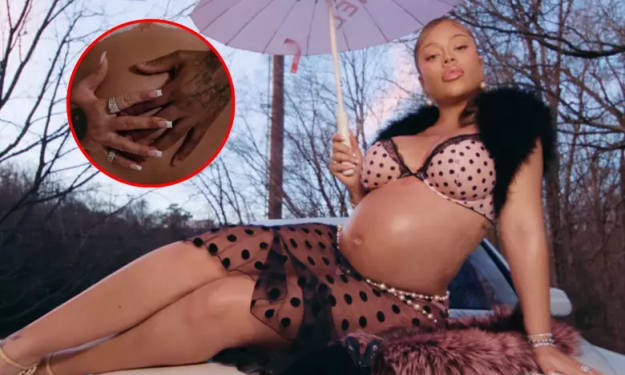
Latto is about be a Big Mama. Rapper Latto reveals not only she is pregnant with her first child, that she is about to release her album Big Mama, and her music video "Business & Personal". Also, 21 Savage is the father of her child (his fourth child) which honestly didn't surprise anyone since there were rumors of their disclosed relationship.
By Gladys W. Muturi11 days ago in Beat

Comments
There are no comments for this story
Be the first to respond and start the conversation.