
“I Got Blacker”: Jack Harlow’s Statement We Need to Talk About by NWO Sparrow
How a clumsy line reveals a loyalty to the culture most skip

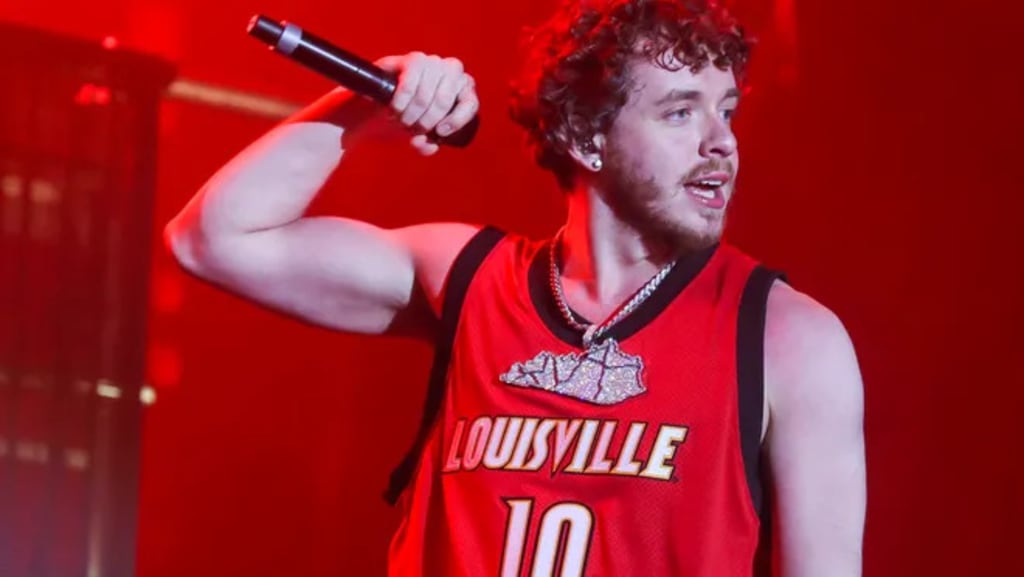
Jack Harlow “Got Blacker” and Still Didn’t Leave Hip-Hop Behind by NWO Sparrow
Jack Harlow said it himself on the Times Popcast this week: “I got blacker.” He was talking about his new R&B-leaning album Monica, and how he approaches music that’s traditionally rooted in Black culture. I get what he was trying to say, even if the phrasing landed awkwardly. I know he didn’t mean to minimize anyone’s experience or make it sound like he can claim some kind of cultural badge. Still, the words themselves were striking, bold enough to make you pause.
Here’s the thing about Jack Harlow. He’s a white rapper who came up strictly in hip-hop, and unlike some of his peers, he hasn’t jumped genres just because the market or his mood suggested he could. He didn’t start as a rapper and then pivot to pop-rock like Machine Gun Kelly. He didn’t debut in rap only to become a post-genre superstar like Post Malone. He’s stayed the course, and that deserves acknowledgment even if the phrasing around his self-reflection was clumsy.
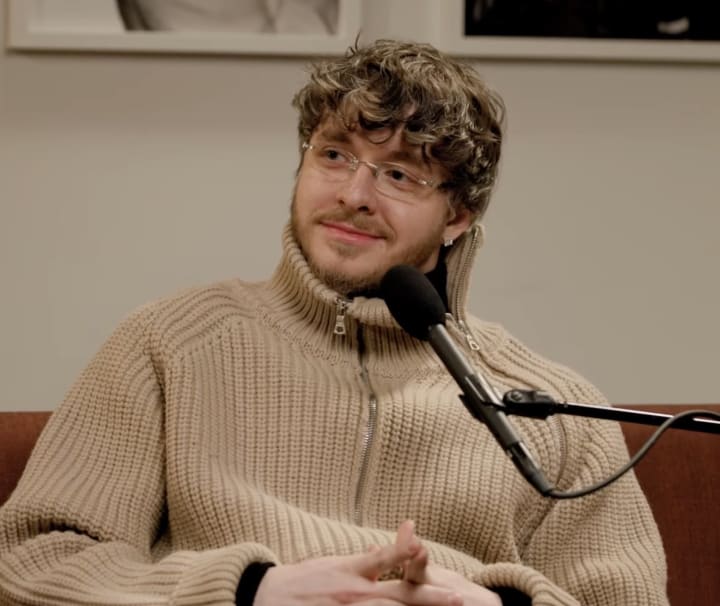
I’ve seen this pattern before with white rappers, and it usually looks like an experiment with identity more than a commitment to craft. They rap for a minute, maybe find traction, then cross over into something else when the opportunity presents itself. It’s almost like they’re auditioning different selves. Harlow hasn’t done that yet. He’s kept his focus on hip-hop and now R&B, and that level of dedication is rare in a music industry built on quick pivots. There’s a kind of irony in his statement about “getting blacker,” because in some ways, what he’s really saying is that he’s doubling down on a genre that’s not automatically his. That’s commitment, not appropriation.
It’s impossible not to compare him to Eminem in this regard. Thirty years of doing the same thing, refining his style while staying rooted in hip-hop, is unmatched. Harlow has only been in the game for a fraction of that time, but there’s an emerging pattern. He doesn’t chase trends outside of the culture he came up in. He experiments with sound, yes, but not with identity. That’s significant. You can critique his wording and still respect the trajectory. That balance is where the conversation about Harlow belongs.
Listening to Monica, the album makes it clear he’s testing the waters sonically. He’s dipping into R&B textures, exploring smoother flows and melodies that contrast with his usual rap cadence. It’s different, yes, but it’s still rooted in the same tradition he came up in. There’s no sudden country ballad or rock anthem here, which is noteworthy when so many of his contemporaries have already shifted direction by now. That he hasn’t gone there yet might be a sign of patience or maybe a strategic choice to keep his hip-hop credibility intact. Either way, it’s a conscious decision that says more about him than any soundbite ever could.
I can’t ignore the misstep of the phrasing either. Saying “I got blacker” is loaded, and in a culture that’s hyper-aware of identity and representation, it’s bound to make people react. But I think the intent behind it matters. He wasn’t claiming ownership of a culture. He was trying to articulate why he gravitates toward music made by Black artists, why he’s drawn to those traditions, and how they inform his own artistry. Intent doesn’t erase impact, but in this case, it helps frame the statement as an awkwardly phrased truth rather than an offensive claim. There’s a broader conversation here about genre and authenticity. Hip-hop has always been an incubator for innovation, and those who come from outside the culture have a complicated path. They can succeed, but there’s scrutiny over every move, every lyric, every interview. Harlow’s position is unique because he hasn’t treated hip-hop like a stepping stone. He’s remained in it, while also exploring adjacent styles in ways that make sense. That duality is rare. It’s critical to acknowledge that before tearing down a single soundbite.
I still find myself laughing at the awkwardness of his statement. There’s irony in it, and maybe that’s the point. Harlow is a young rapper navigating old and new expectations, trying to communicate growth while staying true to his roots. I appreciate that he hasn’t switched up yet, and I’m curious to see how long he can hold that lane. It’s a delicate balance between experimentation and loyalty to craft, and so far, he’s handling it better than most. The words might have tripped him up, but the path he’s on is steady, and that says more than any momentary controversy ever could.
About the Creator
NWO SPARROW
NWO Sparrow — The New Voice of NYC
I cover hip-hop, WWE & entertainment with an edge. Urban journalist repping the culture. Writing for Medium.com & Vocal, bringing raw stories, real voices & NYC energy to every headline.
Keep reading
More stories from NWO SPARROW and writers in Beat and other communities.
Prentiss Banks on Mentorship, Accountability, and Guiding the Next Generation
Purpose can emerge from the most unexpected places. For Prentiss Banks, decades spent behind prison walls have become the foundation for a powerful mission centered on mentorship, youth development, and community awareness. Banks has spent more than thirty years reflecting on the decisions that changed his life and the lessons he believes young people should hear before it is too late.
By Tammy Reese2 days ago in Beat
Hottest in the Office
Dear Rafi, You’re very distracting to work around. For the first second I saw you the other day, I thought you were some type of executive. It took a moment to realize no, you were just the new guy, dressed up for the job he wants. Be still, my heart.
By Gabriel Shames6 days ago in Pride


Comments
There are no comments for this story
Be the first to respond and start the conversation.