

Introduction
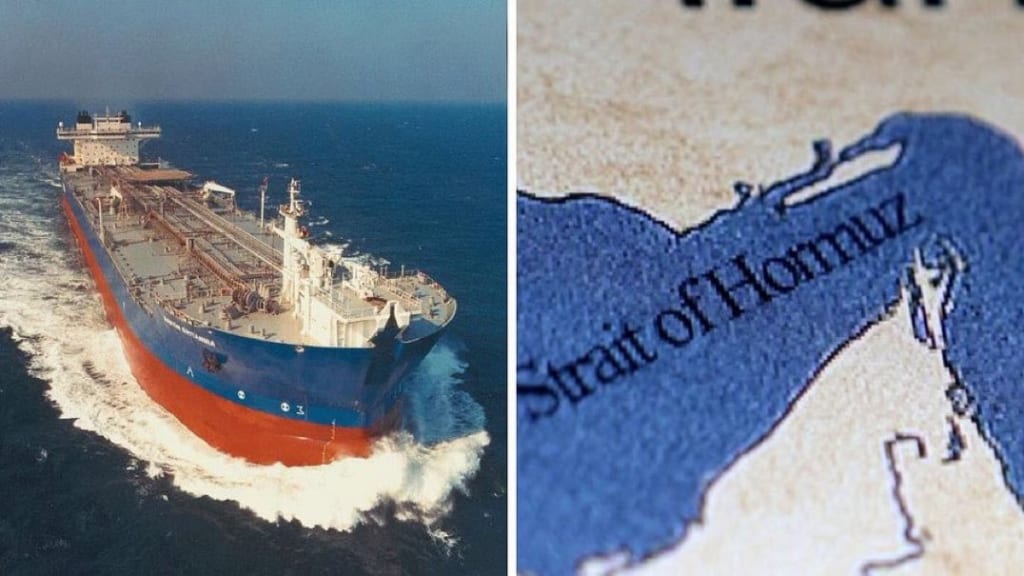
The Strait of Hormuz is one of the most important maritime passages in the world. It connects the Persian Gulf to the Gulf of Oman and eventually the Arabian Sea. Because it is the main route for oil exports from the Gulf region, millions of barrels of oil pass through it every day. This makes the strait a vital artery for global energy supplies and international trade.
Geography and Control of the Strait
The Strait of Hormuz lies between Iran in the north and Oman and the United Arab Emirates in the south. At its narrowest point, it is only about 33 kilometers (21 miles) wide. However, the shipping lanes used by tankers are even narrower, making the area sensitive and strategically important.
Although Iran controls much of the northern coastline, the waterway itself is considered an international strait, meaning it is open for global navigation under international maritime law.
Which Countries Are Allowed to Use the Strait?
In principle, all countries are allowed to pass through the Strait of Hormuz. According to international law, particularly the United Nations Convention on the Law of the Sea, ships and aircraft from all nations have the right of “transit passage.” This means vessels can move through the strait without unnecessary interference, as long as they follow navigation and safety rules.
Because of this rule, ships from many countries regularly travel through the strait, including those from:
Saudi Arabia
Iraq
Kuwait
Qatar
United Arab Emirates
These countries export large amounts of oil and natural gas through the strait. Tankers then deliver energy supplies to major economies such as China, Japan, India, and European nations.
Military Presence in the Strait
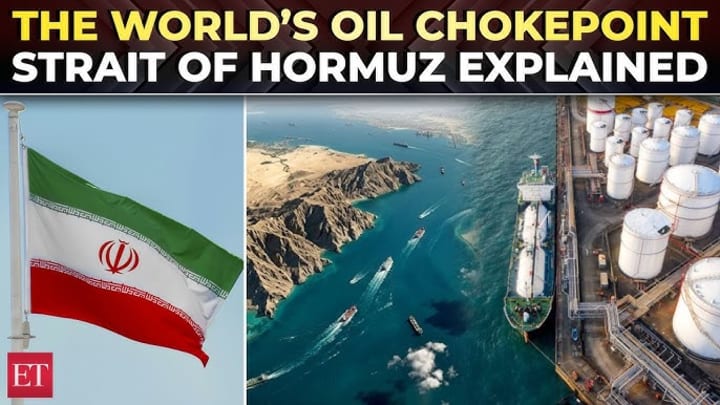
Because the strait is so important, several world powers maintain naval forces nearby to ensure shipping security. The United States, the United Kingdom, and allied countries often patrol the waters to protect commercial ships.
At the same time, Iran also maintains a strong naval presence in the area, as it views the strait as critical to its national security. Occasionally, tensions rise when military ships from different countries operate close to one another.
Why the Strait Is So Important
The Strait of Hormuz carries about one-fifth of the world’s total oil supply. If the passage were blocked due to conflict or political tensions, global oil prices could rise dramatically, affecting economies worldwide. Because of this, the stability of the strait is a major concern for governments and energy markets around the globe.
Over the years, there have been incidents involving oil tankers, naval patrols, and drones, which have increased concerns about security in the area.
Why the Strait Matters to the World
The importance of the Strait of Hormuz goes far beyond the Middle East. It affects global energy security, international trade, and geopolitical stability. Even a small disruption in this narrow waterway could impact fuel prices, shipping routes, and international markets.
Conclusion
The Strait of Hormuz is not controlled by a single country, and international law allows ships from all nations to pass through it. However, its location between Iran, Oman, and the United Arab Emirates makes it strategically sensitive. As long as global trade depends heavily on Gulf oil, this narrow waterway will remain one of the most closely watched and strategically important routes in the world. 🌍🚢⛽
The Strait of Hormuz remains one of the most critical maritime routes in the world. Its narrow geography, massive oil traffic, and ongoing geopolitical tensions make it a key focus for global powers. As long as the world depends heavily on oil from the Persian Gulf, the stability and security of this strategic passage will continue to be a major international concern.
About the Creator
shaoor afridi
“I am a passionate writer dedicated to sharing informative, engaging, and well-researched articles. My goal is to provide valuable content that educates, inspires, and adds real value to readers.”
Keep reading
More stories from shaoor afridi and writers in The Swamp and other communities.
Key Factors Behind the U.S.–Iran Tensions: The Role of Oil and Geopolitics
The relationship between the United States and Iran has been tense for decades, shaped by political rivalry, economic sanctions, and regional power struggles. In recent years, these tensions have intensified, raising fears of military conflict and global instability. While oil is often seen as the main reason behind the rivalry, the reality is more complex. The conflict involves a combination of geopolitical competition, energy security, and strategic interests in the Middle East.
By shaoor afridi5 days ago in The Swamp
The Forsyth House Fire
Since 1851, Forsyth House has stood on the corner of Union Street and Gordon Street in the heart of Glasgow. Its iconic, or was... because on Sunday 8th of March, 2026, a fire broke out in a small, seemingly un-named shop in the building and tore all that history down. As I write, the rubble is still unsettled and the street is still blocked off. Central Station is quiet on the upper level, and around 30 small businesses have quite literally gone up in smoke.
By S. A. Crawford4 days ago in The Swamp
A Transparent Look at Vocal Challenges and Top Stories
Almost three years ago, we shared a resource article that served as a place for people to suggest new challenge prompts. We thought it would be a good idea to refresh that thread, and take the opportunity to answer a few common questions about top stories, how challenges are judged and how submissions are reviewed.
By Vocal Curation Team5 days ago in Resources


Comments
There are no comments for this story
Be the first to respond and start the conversation.