Tim Carmichael
Bio
I am an Appalachian poet and cookbook author. I write about rural life, family, and the places I grew up around. My poetry and essays have appeared in Beautiful and Brutal Things, My latest book. Check it out on Amazon
Achievements (16)


Stories (239)
Filter by community
Songs That Should Not Exist. Top Story - September 2025.
There are so many songs I could add to this list. 1. “Friday” – Rebecca Black Listen here “Friday” is the aural equivalent of stepping barefoot on a Lego. Every note is a testament to what happens when ambition meets no discernible talent. The autotuned vocals are robotic, the lyrics read like a diary of a caffeinated thirteen-year-old, and the beat is an unrelenting metronome of despair. Listening to this song is simply unpleasant. It is an experience of existential torment wrapped in a pop veneer.
By Tim Carmichael6 months ago in Beat
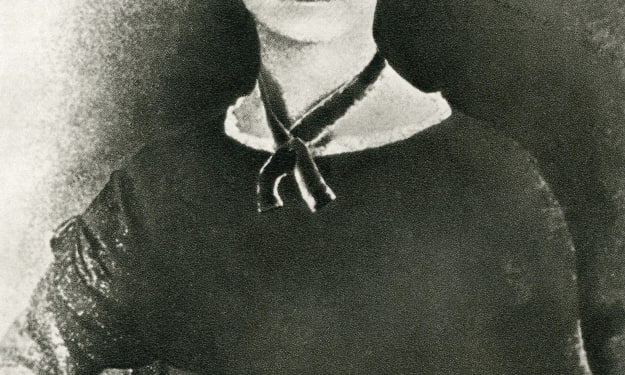
Phillis Wheatley: America’s First Black Literary Voice
In the summer of 1773, a slim volume of poetry appeared in London under the title Poems on Various Subjects, Religious and Moral. The author was Phillis Wheatley, a young Black woman from Boston who had never known freedom. Her name alone stirred curiosity. Her words left an impression that has endured for centuries.
By Tim Carmichael8 months ago in Journal
The Pale Eye of Bethel Moor. Honorable Mention in Leave the Light On Challenge.
By the time I got to Bethel the sun was already gone, and the place felt cold. Nothing moved out there. Nothing grew. It wasn’t dead, more like it had stopped living. Some places just carry a kind of sadness in them, like the land itself had just given up. Bethel was one of those places.
By Tim Carmichael8 months ago in Fiction
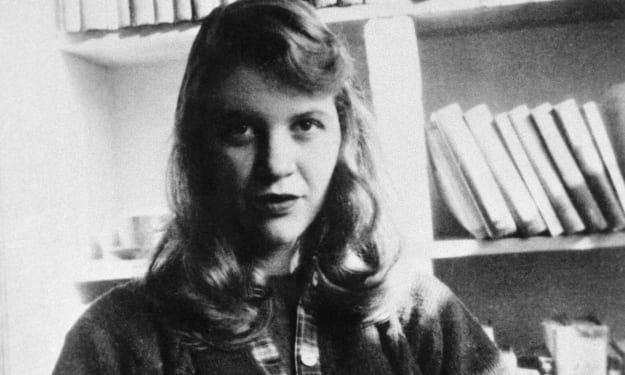
The Solitude and the Discipline of Poet Sylvia Plath
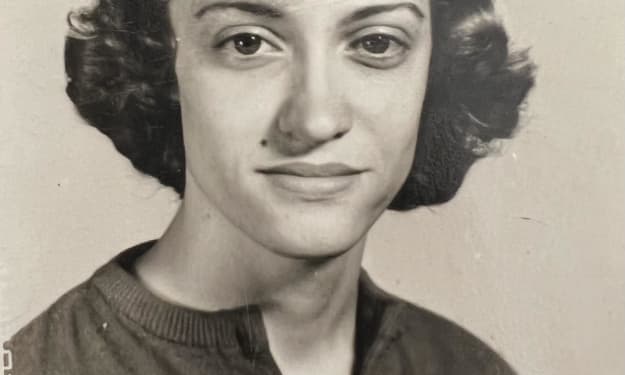
People have looked at Sylvia Plath in a warped way for a long time. More often than not, she’s seen as a tragic figure instead of as a serious author. For decades, popular imagination has stuck to the image of the suicidal, confessional poet, pouring her pain onto the page. But if you dig into the archives, her drafts, her letters, lecture notes, her marked-up books, a different picture starts to form. What you see is a sharp, self-driven writer who knew that imagination alone wasn’t enough. She understood that inspiration comes when habit and intellect meet. If you go to the Lilly Library at Indiana University, where her calendars and notebooks are stored, you don’t find chaos. You find a careful, professional writer.
By Tim Carmichael9 months ago in History