politics
Politics does not dictate our collective cultural mindset as much as it simply reflects it; We've got to look in the mirror sometimes, and we've got one.
Hormuz Crisis Sparks Urgent Call to Boost UK Gas Storage. AI-Generated.
The escalating crisis in the Strait of Hormuz has prompted urgent warnings from energy industry groups and analysts that the United Kingdom must significantly expand its gas storage capacity to safeguard domestic supplies and protect consumers from volatile global markets. The crisis, triggered by the broader 2026 Iran war and Iran’s effective halt of maritime traffic through the vital Hormuz chokepoint, has disrupted global fuel and gas flows, pushing prices upward and exposing weaknesses in the UK’s energy infrastructure. Why the Hormuz Crisis Matters for UK Energy The Strait of Hormuz, a narrow but strategically critical waterway linking the Persian Gulf to the Gulf of Oman, normally sees about a fifth of the world’s oil and liquefied natural gas (LNG) transit daily. Since late February, it has been effectively closed due to hostilities following the war between Iran and U.S.–Israel forces — shutting down most tanker traffic and causing severe market disruptions. The knock‑on effects have been widespread: Brent crude oil prices spiked above $100 per barrel at the height of the disruption, and global LNG supplies — particularly from Qatar and the United Arab Emirates — have sharply contracted. In some cases, LNG output has been halted or shifted to alternative export points, further tightening global markets. Although the UK does not import much gas directly from the Middle East — it relies on North Sea production, Norwegian pipelines, and LNG imports — UK gas prices are still heavily influenced by global LNG markets and crude oil price trends. When prices surge in Asia and Europe due to supply restraints in the Gulf, UK wholesale energy costs rise in tandem, translating into higher heating and electricity bills for households and businesses. Current UK Gas Storage Capacity: A Weak Spot At present, the UK’s gas storage capabilities are limited compared with many continental European countries. The country’s main storage site, the Rough facility in the North Sea, was reopened in 2022 after being closed for maintenance but still only represents a fraction of the storage capacity historically available. Rough, under Centrica’s ownership, currently offers roughly 0.9 billion cubic metres of storage — enough for only a short buffer relative to national consumption. Storage levels in the UK are typically measured in days of supply, and industry figures suggest that the nation’s reserves equate to about a few weeks’ worth of gas at most. By contrast, some continental storage sites hold several months of inventory, allowing countries like Germany or France to ride out short‑term supply shocks more comfortably. Industry associations — including the Oil & Gas UK (OGUK) group and other energy sector bodies — argue that this exposed position leaves the UK vulnerable to price spikes and supply insecurity during extreme geopolitical or weather‑related disruptions. With the current crisis showing no sign of abating, pressure is mounting for policymakers to rethink storage strategy and investment priorities. Calls for Strategic Storage Expansion Experts and business groups have called on the UK government to expand gas storage capacity significantly, both by enlarging existing facilities like Rough and by developing new ones onshore and offshore. Such investments would provide a strategic cushion against future global supply shocks, whether caused by geopolitical crises, harsh winters, or infrastructure outages. An industry spokesperson told OilPrice.com that the UK’s current storage footprint — about 0.9 bcm, roughly equivalent to a short buffer compared with peak seasonal demand — is “insufficient in a world where global energy markets are increasingly tight and unpredictable.” Expanding storage would reduce dependence on just‑in‑time market deliveries and provide greater negotiating leverage when global prices surge. Critics of the status quo argue that previous policy decisions to shutter or under‑invest in storage facilities have left the UK exposed. For example, similar warnings were made after the 2021 UK gas supply crisis, when a combination of supply shortages and low storage stocks contributed to sharp price increases and market stress. Analysts now point to that episode as a cautionary lesson about the importance of robust strategic reserves. Government and Market Responses The UK government has acknowledged the price pressures stemming from the global supply disruption, but so far its focus has been on consumer protections and price monitoring rather than immediate infrastructure expansion. Recent statements from Downing Street officials emphasize avoiding deeper military involvement in the Middle East conflict while addressing the economic fallout, but long‑term energy resilience measures have yet to be fully outlined. In the meantime, regulators like Ofgem are monitoring wholesale price movements, and industry leaders are urging strategic planning that goes beyond short‑term consumer supports. Gas storage expansion — particularly in offshore depleted fields or salt caverns — could provide a foundation for a more resilient energy mix, smoothing the volatility that global crises like the Hormuz disruption can trigger. Why Storage Matters Beyond Short‑Term Prices Increasing gas storage capacity isn’t just about cushioning price shocks; it is about energy security, supply diversification, and national resilience. While renewable energy and efficiency improvements are crucial for long‑term sustainability, gas remains central to UK heating and power generation. Adequate storage helps bridge the gaps when intermittent renewables or pipeline imports fall short. As the Hormuz crisis continues to roil global markets, the calls for strategic stockpiles in the UK are likely to intensify. Industry voices contend that only by building greater physical buffers can the country reduce its vulnerability to distant geopolitical tensions and maintain stable, affordable energy for consumers and industries alike.
By Fiaz Ahmed about 2 hours ago in The Swamp
Strait of Hormuz: Which Countries’ Ships Has Iran Allowed Safe Passage To?. AI-Generated.
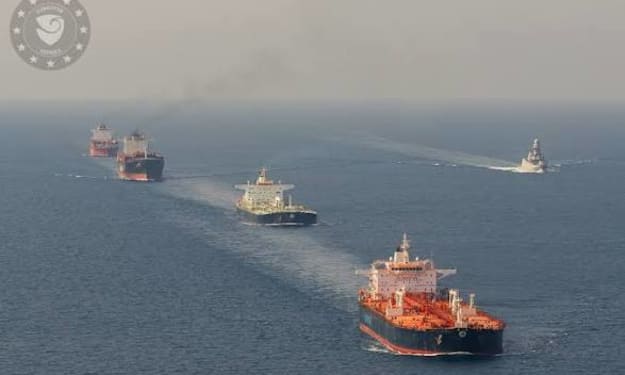
Tehran, Iran (Al Jazeera / Reuters / Multiple Sources) — Amid one of the most acute disruptions to global energy shipping in decades, Iran has begun to selectively allow certain foreign vessels to transit the strategically critical Strait of Hormuz — but only under tightly controlled and highly politicized conditions. The Strait, which connects the Persian Gulf to the Gulf of Oman and lies between Iran and Oman, normally sees about 20 million barrels per day of oil transit — nearly a fifth of global petroleum supplies — and is one of the world’s most vital chokepoints for both oil and liquefied natural gas (LNG). The disruption stems from a widening military conflict in the Middle East involving Iran, the United States, and Israel. Iran closed much of the waterway to global shipping at the beginning of March — threatening that any vessel from nations it deems hostile could become a legitimate target. However, in recent days Tehran has shifted from a blanket closure toward a selective opening for certain countries’ vessels, highlighting evolving diplomacy and Tehran’s willingness to leverage maritime access for broader geopolitical goals. 1. Indian‑Linked Ships One of the most notable developments has been Iran’s decision to allow Indian‑flagged or India‑bound vessels to sail through the Strait after diplomatic talks between Indian and Iranian officials. According to Iran’s ambassador in New Delhi, Tehran has granted safe passage for some Indian energy shipments, creating “rare exceptions” to its effective blockade. Two Indian‑linked LPG tankers — Shivalik and Nanda Devi — were reported to have successfully transited the strait and are en route to India without naval escort. India, heavily reliant on Gulf energy imports, has been actively negotiating with Tehran to secure continued supply routes. Officials in New Delhi have also called for transit clearance for dozens of its vessels stranded near the strait’s western entrance, underscoring the strategic importance of keeping maritime traffic alive even amid hostilities. However, not all reports of Indian transits have been uniformly confirmed. Some sources — including Indian media — indicated earlier that at least two Indian oil tankers were poised to pass, but this was later denied by Iranian officials, illustrating the sensitivity and fluidity of the arrangements. 2. Pakistani Oil Tanker Karachi In a significant diplomatic breakthrough, a Pakistani‑operated Aframax oil tanker named Karachi was reported to have crossed the Strait of Hormuz carrying crude oil for Pakistan. This marked the first openly tracked non‑Iranian commercial ship to transit the waterway since the conflict began, and it did so with its identification signal active — suggesting negotiated safe passage with Iranian authorities. Islamabad’s balanced diplomatic stance — seeking good relations with Tehran while also engaging with other regional powers — appears to have been a key factor enabling this safe transit. Pakistan’s navy reportedly coordinated closely with Iranian authorities to secure assurances for the tanker’s movement without an escort, highlighting the role of bilateral diplomacy in bypassing the broader maritime disruption. 3. Bangladesh Energy Ships Beyond India and Pakistan, Bangladesh has also secured assurances from Iran for safe passage for its energy vessels. Dhaka’s government engaged in diplomacy with Tehran, resulting in a commitment that Bangladeshi tankers carrying oil and LNG would not face obstruction when passing through the Strait, provided Iranian authorities are informed in advance. Bangladesh’s efforts reflect its heavy dependence on energy imports from the Gulf and demonstrate how even smaller energy‑importing countries are seeking to negotiate exemptions amid escalating maritime risk. 4. China and Other Countries (Conditional or Proposed) China — another major consumer of Middle Eastern oil — has been reported to be in ongoing talks with Iran to allow safe passage for its vessels, including crude oil and Qatari LNG shipments, though details remain emerging. Satellite tracking data suggest at least some Chinese‑associated ships have transited the strait under adjusted identifiers amid the crisis. Iran’s Islamic Revolutionary Guard Corps (IRGC) has also signaled that vessels from Arab or European states that choose to expel U.S. and Israeli envoys from their territories could be granted the right to pass freely through the Strait of Hormuz — an overtly political condition linking diplomatic positions to maritime access. 5. Who Is Not Allowed By contrast, Tehran has made clear that ships belonging to or serving the interests of the United States, Israel, or their allies will not be permitted to transit, and could be considered “legitimate targets” if they attempt passage. This has driven Western‑flagged and allied commercial vessels to halt or suspend operations in the Strait, causing a dramatic reduction in traffic and contributing to global energy price volatility. Implications for Global Trade The selective reopening offers a narrow lifeline for certain countries’ energy supplies, but Iran’s highly conditional approach — tied to diplomatic alignment and wartime politics — means that the Strait of Hormuz remains far from fully open. Even permitted transits occur under heightened risk, with insurance costs surging and shipping firms wary of unpredictable escalation. As the conflict continues to shape who is allowed safe passage, the Strait of Hormuz has effectively become another arena for geopolitical competition — with Tehran using access as leverage in broader strategic negotiations.
By Fiaz Ahmed about 3 hours ago in The Swamp
Israeli Military Launches ‘Ground Operations’ in Southern Lebanon. AI-Generated.
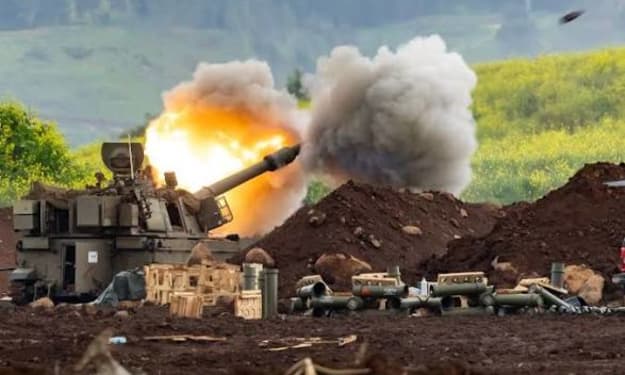
Date: March 16, 2026 — Location: Southern Lebanon & Northern Israel Synopsis: The Israel Defense Forces (IDF) have announced the commencement of limited and targeted ground operations in southern Lebanon, marking a significant escalation in the ongoing regional conflict. The move follows weeks of cross‑border hostilities with Hezbollah, the Iran‑aligned Lebanese militant group, and is tied to broader clashes throughout the Middle East that intensified after Iran’s entry into war with the U.S. and Israel. What Israel Says It Is Doing On March 16, the IDF confirmed that troops from the 91st Division have begun what it described as “limited ground operations” in southern Lebanon with the aim of striking Hezbollah infrastructure and expanding Israel’s security control near the border. According to Israeli officials, operations focus on areas where guerrilla fighters are believed to have established hidden weapons caches, command posts, and launch zones used to attack northern Israeli communities. The Israeli Defense Ministry said the operation is designed to push Hezbollah fighters farther from the border and reduce the frequency of rocket, missile, and drone attacks into Israel — attacks that have surged in recent weeks as the conflict has widened across the region. Background: Escalation and the Broader Conflict Although the cease‑fire that ended active hostilities between Israel and Hezbollah in late 2024 was still nominally in place, tensions continued to simmer. On March 2 and thereafter, Hezbollah reportedly fired rockets and drones at northern Israeli towns in response to Israeli airstrikes on Iranian and militia targets in Lebanon and elsewhere, helping to drag the group back into active combat. The latest ground operations come amid the 2026 Lebanon war, an extension of the broader Middle East conflict. This wider war began in early March with Iranian involvement after the assassination of Iran’s supreme leader, triggering Iranian attacks on Israeli and U.S. positions and a robust aerial and missile response by Israel and its Western partners. The Ground Operations in Detail Israeli troops reportedly have moved into areas south of the Litani River — a strategic line of advance that would give Israel greater depth in confronting Hezbollah positions. The IDF’s stated objectives include: Disrupting Hezbollah’s military infrastructure — including bunkers, tunnels, and weapons depots near the border. Securing a buffer zone that limits the militant group’s ability to directly target civilian and military targets in northern Israel. Supporting aerial campaigns and artillery fire by identifying and isolating high‑value targets on the ground. The 91st Division, known for mechanized and infantry operations, has been backed by air and artillery assets, indicating a coordinated multi‑domain effort rather than an isolated ranger‑style mission. Multiple Israeli media outlets described the operation as an intensification of a campaign that has been building for days, rather than an abrupt, isolated incursion. Humanitarian Consequences and Mass Displacement The escalation has added dramatically to the humanitarian crisis already unfolding in southern Lebanon. According to reports, more than 800,000 people have been displaced from villages and towns near the border since early March — a figure that likely continues to rise as ground operations expand. Lebanese health authorities and humanitarian groups have warned of acute shortages of medical supplies, food, and shelter. Many displaced families have fled northward into Bekaa Valley towns or toward Beirut, creating severe strain on already fragile infrastructure. Political and Regional Reactions The Lebanese government has condemned the Israeli ground moves, accusing Israel of violating Lebanese sovereignty and escalating violence unilaterally. In contrast, Israeli leaders argue that Hezbollah has repeatedly broken cease‑fire terms and continues to pose a direct threat to Israeli civilians, necessitating ground intervention. International responses have been mixed. Western governments have expressed concerns about further destabilization but stopped short of unequivocal condemnations, often emphasizing the need to protect civilians on both sides while calling for de‑escalation. Some European officials, in particular, have warned that expanding combat operations could draw in more actors beyond Lebanon and Israel — including neighboring Syria and Iraq — into a wider regional conflagration. What Comes Next? Military analysts say the ground operation could evolve in several directions: Containment and limited withdrawal after key Hezbollah positions are neutralized. Sustained Israeli presence deep into southern Lebanon if security conditions near the border do not improve. Negotiated cease‑fire or indirect talks mediated by regional partners or the United Nations if international pressure mounts. For now, however, the fog of war and the intensity of combat leave the future uncertain. Both Israeli and Hezbollah leaders have framed the current phase as decisive, with consequences that could shape the conflict landscape for years to come.
By Fiaz Ahmed about 3 hours ago in The Swamp
Going to Europe This Summer? Prepare for a Long Queue. AI-Generated.
As millions of travellers around the world begin booking flights and planning vacations for summer 2026, a new travel reality is emerging: Europe is likely to see significantly longer queues at airports, border crossings and ports this season. A series of changes to the way border controls operate — especially the roll‑out of the European Union’s biometric border system — means that visitors may have to allow far more time than usual when entering or exiting the continent’s Schengen countries. Why the Delays Are Happening The core of the disruption stems from the EU’s Entry/Exit System (EES) — a new digital border system designed to replace traditional passport stamping with automated registration of non‑EU travellers’ biometric data. Under the new regime, people from outside the EU or European Free Trade Association must have their facial image and fingerprints scanned and stored the first time they enter the Schengen Area. The system was operational in some places by late 2025 and was scheduled for full implementation by April 10, 2026, but the scale and pace of the rollout have strained border‑control infrastructure. The extra time needed to capture biometric data — compared with traditional passport checks — is slowing border processing at major airports and crossing points. Industry groups representing airlines and airports — including Airports Council International (ACI) Europe, Airlines for Europe (A4E) and the International Air Transport Association (IATA) — have warned that the extended checks will cause serious travel disruptions this summer, especially in July and August when holiday travel peaks. In formal letters to European Commission officials, they said that unless changes are made, queues of two to four hours or more could become the norm at busy hubs. Where the Queues Could Be Longest Major European airports that serve as key tourism gateways are bracing for the worst. Reports from travel and airport associations suggest that hubs like Paris Charles de Gaulle, Amsterdam Schiphol, Frankfurt, Munich, Madrid Barajas and Rome Fiumicino — already handling hundreds of thousands of passengers per day — could experience prolonged wait times at border checkpoints. In France, industry insiders have said the EES can add 45–60 seconds per traveller during the biometric capture, which may seem small on its own but becomes significant when tens of thousands of passengers arrive in waves throughout the day. Seasonal and weekend travel peaks could stretch waiting times further, especially when staffing levels remain constrained. Even outside airports, port terminals and land border crossings — such as those between Spain and Morocco, or at Eurotunnel links between the UK and France — could feel the impact, as more passengers require electronic processing of entry and exit data. What Travellers Should Expect For summer travellers from outside the EU — including visitors from the United States, the United Kingdom, Canada, Australia and Asia — the picture is particularly important: your first entry into the Schengen Area will involve mandatory biometric registration. This means: Extra time at passport control — Be ready for lines that may take up to several hours in the busiest periods. Arrive early — Airlines and travel experts recommend being at the airport at least three to four hours before departure to account for queues and avoid missing flights. Have documents ready — Make sure your passport, visa (if required) and any digital pre‑registration documents are at hand before queuing. Even travellers who are already registered in the system may find themselves in longer lines than in past summers because of how the new checks are being staffed and managed. What the EU Is Doing About It European authorities are aware of the concerns. The European Commission has stressed that the progressive rollout — which allows states to adjust how and where the system operates — should help manage the transition more smoothly. Some countries have been given flexibility to pause or modify biometric checks during peak travel periods, potentially into late summer, to reduce congestion. Border‑control officials have also emphasised the security benefits of the new system, saying that digital entry/exit data help protect against identity fraud and improve overall border integrity across the Schengen Area. Still Worth the Trip Despite the expected queues, Europe remains one of the world’s most popular travel destinations, with historic cities, scenic landscapes and cultural attractions drawing millions each year. But for travellers planning their first overseas summer vacation, it’s essential to factor in these procedural changes to avoid stress at arrival and departure points. With careful planning — including arriving early, knowing what paperwork you need, and staying updated on border procedures — your European summer holiday can be rewarding, even if the initial queues prove to be longer than in years past.
By Fiaz Ahmed about 3 hours ago in The Swamp
Companies Offered £3,000 to Hire Jobless Under-24s. AI-Generated.
A new government initiative offering businesses £3,000 for each unemployed young person they hire has sparked widespread debate about how to tackle rising youth unemployment. The program is designed to encourage companies to employ people aged 18 to 24 who have been out of work for at least six months, providing financial incentives for firms willing to give young workers a chance. The scheme is part of a wider employment strategy led by the Department for Work and Pensions in the United Kingdom, which aims to create thousands of jobs and address the growing number of young people struggling to find employment. Officials say the initiative could help as many as 60,000 young people enter the workforce over the next few years. A Response to Rising Youth Unemployment The policy comes at a time when youth unemployment has become a major concern across Britain. Recent figures show that hundreds of thousands of people aged 16–24 are currently without work, and the number of young people not in employment, education, or training has approached one million. Government officials argue that many businesses are reluctant to hire inexperienced workers because of rising labour costs and economic uncertainty. By offering a direct payment of £3,000, policymakers hope to reduce that financial risk and encourage employers to consider candidates who might otherwise be overlooked. Under the plan, companies will receive the grant when they hire a young person who has been claiming unemployment benefits for at least six months. The financial support is intended to help cover training expenses, onboarding costs, and the early stages of employment when productivity may still be developing. Part of a Larger £1 Billion Employment Plan The hiring incentive forms part of a broader government package worth around £1 billion, aimed at boosting job opportunities and training programs for young people. The plan also includes new apprenticeship incentives and expanded training schemes designed to help young workers gain practical skills. Small and medium-sized businesses will be eligible for an additional incentive of £2,000 if they hire apprentices aged between 16 and 24. The government believes this will strengthen vocational training and encourage companies to invest in the next generation of skilled workers. Officials say the initiative reflects a growing recognition that young people often face unique barriers when entering the labour market. Many lack experience, professional networks, or access to training opportunities, making it harder to compete with older candidates who already have established careers. Encouraging Businesses to Take a Chance Supporters of the scheme argue that financial incentives can play an important role in encouraging employers to take risks on younger workers. Hiring someone new to the workforce can require additional mentoring, training, and supervision. By providing funding, the government hopes to reduce the financial burden and encourage companies to offer entry-level opportunities. Business groups have generally welcomed the plan, noting that many sectors—such as retail, hospitality, and construction—are experiencing labour shortages. If implemented effectively, they believe the program could help match unemployed young people with industries in need of workers. Some employers have also said that the grant could make it easier to expand hiring during uncertain economic times. For small businesses in particular, even a modest subsidy can make the difference between creating a new position or delaying recruitment. Critics Raise Questions Despite the positive response from many businesses, the policy has also faced criticism. Some analysts argue that financial incentives alone may not solve the deeper causes of youth unemployment, such as skills shortages, mental health challenges, and regional economic disparities. Others have questioned whether companies might hire workers simply to collect the subsidy, without providing long-term employment. Policymakers insist that safeguards will be introduced to ensure that the jobs created under the scheme offer genuine opportunities rather than temporary placements. There are also concerns about whether the funding will reach the young people who need it most—particularly those facing multiple barriers to employment, including poor health or limited education. Experts say successful implementation will require strong coordination between government agencies, training providers, and employers. A Long-Term Challenge Youth unemployment has been a persistent issue in Britain for decades. Previous programs, including large-scale employment initiatives and training schemes, have attempted to address the problem with mixed results. However, policymakers say the latest strategy reflects a renewed focus on helping young people transition from education or unemployment into meaningful careers. By combining hiring incentives with expanded training programs and apprenticeships, the government hopes to create a more sustainable pathway into work. Ultimately, the success of the £3,000 hiring incentive will depend on whether businesses respond to the opportunity and whether young people can gain the skills and experience needed to remain in employment. For many job seekers under the age of 24, the program could represent a crucial step toward financial independence and long-term career development. For employers, it offers a chance to invest in new talent while receiving support during the early stages of employment. As the initiative begins rolling out across the United Kingdom, both businesses and policymakers will be watching closely to see whether the incentives can make a meaningful impact on the country’s youth employment crisis. If successful, the program could become a model for other countries seeking innovative ways to bring young people into the workforce and reduce long-term unemployment.
By Fiaz Ahmed about 6 hours ago in The Swamp
If Trump has already won the Iran war, why does he need foreign ships to help him end it?. AI-Generated.
When Donald Trump declared that the United States had effectively “won” the war against Iran, the statement sparked debate among analysts, diplomats, and military observers. If victory had already been achieved, critics asked, why was Washington urging other nations to send naval forces to help secure the region and reopen key shipping routes? The answer lies in the complicated nature of modern warfare—especially conflicts involving strategic waterways such as the Strait of Hormuz. While the United States may claim significant military successes, ending a war is not only about battlefield victories. It also requires stabilizing critical infrastructure, protecting global trade routes, and preventing further escalation. According to recent reports, the Trump administration has urged allied countries to contribute warships and support to secure the Strait of Hormuz, one of the most important maritime corridors in the world. Roughly a fifth of the global oil supply passes through this narrow channel between Iran and Oman. When conflict disrupts this route, the consequences ripple across the global economy. Despite Trump’s claim that U.S. forces had severely weakened Iran’s military—destroying numerous naval vessels and missile systems—the reality on the ground remains volatile. Iranian forces have continued launching drone and missile attacks on ships and infrastructure across the Persian Gulf, showing that Tehran still possesses the ability to disrupt maritime traffic and energy exports. This ongoing threat is one of the main reasons Washington wants international assistance. Even if the United States can defeat large parts of Iran’s conventional military, protecting shipping lanes requires constant patrols, minesweeping operations, and escort missions for commercial vessels. These tasks demand significant naval resources and coordination among multiple countries. In recent statements, Trump has called on major economies—including those heavily dependent on Middle Eastern oil—to contribute ships and logistical support. Nations such as Japan, South Korea, France, and United Kingdom have been mentioned as potential partners in a coalition to protect maritime traffic in the Gulf. From Washington’s perspective, this request is not unusual. For decades, the United States has relied on multinational coalitions to maintain security in strategic regions. Similar partnerships have existed in anti-piracy operations off the coast of Somalia and in previous naval patrol missions in the Arabian Sea. Another reason foreign ships may be needed is the challenge posed by naval mines and small attack boats. Military analysts warn that Iran has the capability to deploy mines in the Strait of Hormuz, which could severely damage commercial vessels and halt traffic for weeks or even months. Clearing these mines safely requires specialized ships and equipment that often come from several allied navies. Additionally, the political message of a multinational naval coalition can be just as important as the military impact. By involving multiple countries, Washington hopes to demonstrate that protecting the Persian Gulf is not just an American objective but a shared global responsibility. Critics, however, argue that the situation exposes a contradiction in Trump’s messaging. If the war had truly been won, they say, the United States should not need additional military support to secure the region. Some analysts believe the request for foreign assistance reflects the reality that Iran still retains the ability to threaten shipping and regional stability. Others suggest that Trump’s statements about victory were more political than strategic. Leaders often declare success early in conflicts to reassure domestic audiences and project confidence. Yet military operations can continue long after such declarations as governments work to consolidate gains and prevent future threats. Meanwhile, the economic stakes remain enormous. With the Strait of Hormuz partially disrupted, oil prices have surged and global markets have grown increasingly anxious about energy supply shortages. The pressure to reopen the shipping route quickly has intensified diplomatic efforts to assemble a naval coalition capable of ensuring safe passage. nypost.com In the end, the question of whether the war has been “won” depends largely on how victory is defined. Militarily, the United States may have inflicted significant damage on Iran’s capabilities. But strategically, the conflict is far from resolved as long as the region’s most critical shipping lanes remain under threat. This reality explains why Washington is seeking help from foreign ships and allied navies. Ending a war in today’s interconnected world requires more than defeating an enemy—it requires stabilizing the system that the conflict has disrupted. Until the waters of the Strait of Hormuz are secure and global trade flows freely again, the debate over whether victory has truly been achieved is likely to continue.
By Fiaz Ahmed about 6 hours ago in The Swamp
Red Sea Crisis Reinforces Need to Be Ready at Sea, Say Western Navy Chiefs. AI-Generated.
The ongoing security crisis in the Red Sea has become a stark reminder of the importance of maintaining constant maritime readiness, according to senior naval leaders from several Western countries. As attacks on commercial vessels and disruptions to global shipping lanes continue to raise alarm, naval chiefs say the situation highlights the urgent need for stronger coordination, advanced technology, and sustained naval presence at sea. The Red Sea is one of the world’s most critical maritime routes, linking the Mediterranean Sea to the Indian Ocean through the strategic Suez Canal. Nearly 12 percent of global trade flows through this narrow corridor, making it essential for the movement of energy supplies, manufactured goods, and food commodities between Asia, Europe, and beyond. In recent months, however, rising instability in the region has put this vital shipping lane under strain. Missile and drone threats targeting commercial vessels have forced shipping companies to reconsider their routes, with some vessels diverting thousands of miles around the Cape of Good Hope to avoid potential attacks. The detours have significantly increased transportation costs and shipping times, placing additional pressure on already fragile global supply chains. Senior officials in the North Atlantic Treaty Organization say the developments underline the necessity of maintaining strong naval capabilities and rapid response forces. According to Western naval chiefs, the crisis demonstrates how quickly regional tensions can escalate into threats that affect international commerce and global security. Admirals from the United States Navy, the Royal Navy, and several European naval forces have emphasized the importance of joint patrols and intelligence sharing. They argue that coordinated maritime operations are essential for ensuring the safety of commercial shipping and deterring hostile actors in contested waters. Western naval commanders note that maritime security today is far more complex than in previous decades. Threats are no longer limited to traditional naval engagements. Instead, modern risks include drones, cyber attacks on shipping infrastructure, missile strikes from shore, and the use of small, fast boats to harass or intercept merchant vessels. The crisis has prompted several Western nations to increase naval deployments in and around the Red Sea and the Gulf of Aden. These operations aim to escort vulnerable vessels, monitor suspicious activity, and maintain freedom of navigation through one of the world’s most vital trade corridors. Military analysts say the lessons from the crisis extend beyond the Middle East. The challenges faced in the Red Sea demonstrate how maritime chokepoints can become flashpoints in modern geopolitics. Similar concerns exist around other key shipping routes, including the South China Sea and the Strait of Hormuz, where geopolitical tensions and military competition remain high. Naval chiefs have also stressed the need for investment in new technologies to counter evolving threats. Advanced radar systems, unmanned surveillance platforms, and improved missile defense systems are being prioritized to detect and neutralize threats before they reach commercial shipping lanes. Beyond military preparedness, Western leaders argue that diplomatic efforts are also crucial to restoring long-term stability in the region. While naval patrols can provide immediate protection, resolving the underlying conflicts that fuel maritime attacks requires political engagement and international cooperation. For global shipping companies and insurers, the crisis has become a reminder of how quickly maritime risk can escalate. Insurance premiums for vessels passing through the Red Sea have risen sharply, and some operators have temporarily suspended operations in the area until security conditions improve. Despite these challenges, naval leaders say the response from Western forces has demonstrated the value of multinational cooperation at sea. Joint operations and rapid deployments have helped maintain a level of security that prevents wider disruption to global trade. Ultimately, the message from Western navy chiefs is clear: the events in the Red Sea highlight the enduring importance of maritime power. In a world where the majority of trade moves by sea, ensuring the security of international waters remains one of the most critical responsibilities of modern navies. As geopolitical tensions continue to shape the global security environment, naval commanders say readiness, cooperation, and technological innovation will remain essential tools for safeguarding the world’s most vital shipping routes.
By Fiaz Ahmed about 6 hours ago in The Swamp
How Passenger Planes Keep Flying During a War. AI-Generated.
When armed conflict erupts, one of the first concerns for governments and travelers alike is the safety of the skies. War zones are unpredictable, and the presence of missiles, military aircraft, and disrupted infrastructure can create serious risks for civilian aviation. Yet despite these dangers, passenger planes often continue flying across vast regions of the world even during periods of war. The reason lies in a complex system of international coordination, technology, and risk management designed to keep commercial aviation as safe as possible. Global air travel is governed by strict regulations established by the International Civil Aviation Organization (ICAO), a specialized agency of the United Nations. ICAO sets international standards for aviation safety and coordinates information sharing among countries whenever conflicts threaten civilian airspace. When tensions rise or war begins, authorities rapidly assess which air routes remain safe and which must be avoided. One of the key tools used during wartime is the issuance of aviation safety notices known as NOTAMs (Notices to Airmen). These alerts inform pilots and airlines about potential dangers such as missile activity, military exercises, or restricted airspace. Airlines rely heavily on these warnings when deciding whether to continue flying over certain regions or to reroute aircraft entirely. In many cases, countries close their airspace completely once conflict begins. This happened during the Russian invasion of Ukraine, when Ukraine shut down its skies to civilian flights. Airlines immediately rerouted aircraft to avoid the region, adding hours to many international journeys. Neighboring countries also adjusted flight corridors to ensure that passenger planes stayed far from potential military operations. Another example occurred in the Middle East, where tensions have frequently forced airlines to alter their routes around the Persian Gulf and nearby conflict zones. During such crises, airlines rely on real-time intelligence from governments, military authorities, and global aviation monitoring systems. Modern aircraft are also equipped with sophisticated navigation and communication technologies that help them avoid danger. Satellite-based navigation systems allow pilots to follow precise flight paths far from conflict zones. In addition, global tracking systems continuously monitor aircraft positions, ensuring that air traffic controllers can quickly respond if conditions change. Airlines themselves maintain dedicated security and risk assessment teams that monitor geopolitical developments around the clock. These experts evaluate threats such as surface-to-air missiles, radar activity, and military air patrols. Based on this information, airlines may suspend flights, change routes, or adjust cruising altitudes to minimize risk. International cooperation between civil aviation authorities and military forces is another crucial factor. During wartime, military commanders often establish restricted zones where combat operations are taking place. Civil aviation authorities then redirect commercial aircraft to alternative corridors that remain clear of military activity. The tragic downing of Malaysia Airlines Flight 17 over eastern Ukraine in 2014 highlighted the dangers of flying near conflict zones. The incident prompted major changes in how aviation authorities assess risks in war-affected regions. Since then, governments and airlines have taken a far more cautious approach, often avoiding contested airspace entirely. Insurance also plays an important role in wartime aviation. Airlines must obtain special war-risk insurance coverage when operating near unstable regions. If the perceived danger becomes too high, insurers may refuse to provide coverage, effectively grounding flights until conditions improve. Despite these precautions, the global aviation system strives to keep as many routes open as possible. Air travel is essential for humanitarian aid, diplomatic missions, and economic activity. Even during major conflicts, certain corridors remain safe enough for civilian aircraft, allowing passengers and cargo to continue moving between countries. Air traffic control networks also adapt quickly to shifting conditions. Controllers coordinate closely with airlines to ensure that rerouted aircraft maintain safe distances from restricted zones and military operations. This coordination often involves multiple countries working together to redesign flight paths across entire regions. Passengers may notice the effects of these adjustments through longer flight times or unexpected route changes. A journey that once crossed a conflict zone directly may now take a wide detour around it. Although this can increase travel time and fuel costs, it significantly improves safety. Ultimately, keeping passenger planes flying during war requires constant vigilance and international collaboration. Governments, airlines, aviation regulators, and military authorities all play a role in monitoring threats and adapting flight operations to protect travelers. While conflict on the ground may disrupt many aspects of daily life, the global aviation system works tirelessly to ensure that the skies remain as safe as possible. Through technology, coordination, and careful planning, passenger aircraft can continue operating—even in a world where geopolitical tensions are never far away.
By Fiaz Ahmed about 6 hours ago in The Swamp